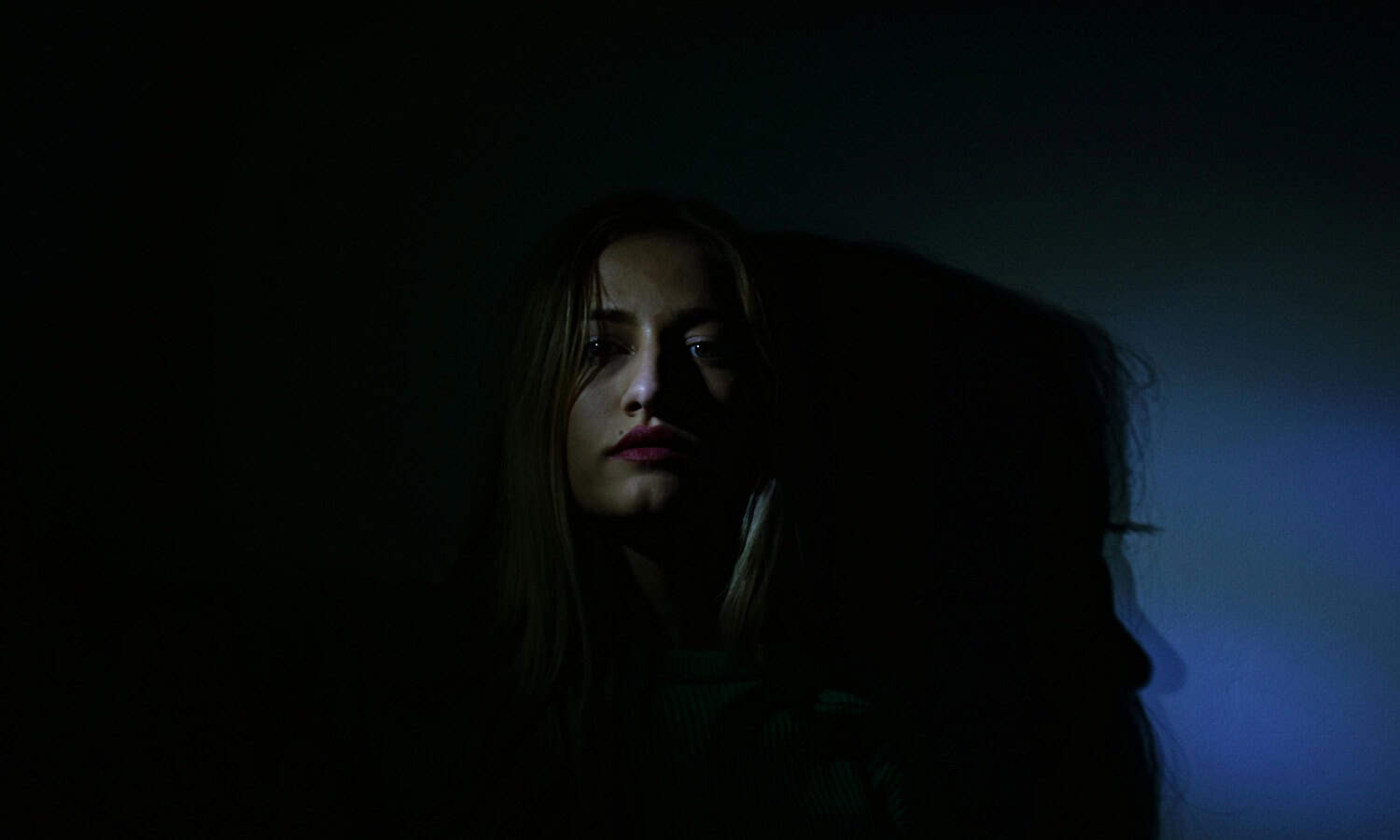
A darkroom is exactly what it sounds like: a deliberately dim or fully darkened space, usually found in queer clubs, sex venues, saunas, or fetish events, created for anonymous or semi-anonymous sexual encounters. That basic definition, though, misses what actually draws people in. Darkrooms are not just places where sex happens; they are environments designed to change how desire is felt, expressed, and negotiated when visibility, identity, and everyday social rules fade into the background.
Historically, darkrooms emerged in gay male spaces during periods when queer sex had to remain hidden to survive. Darkness offered protection from policing, exposure, and violence. Over time, what began as a practical strategy developed into a distinct erotic culture. Today, darkrooms still exist in many of those original contexts, but depending on the venue they may also welcome a wider range of genders, sexualities, and relationship styles. What remains constant is the underlying logic: darkness creates freedom.
Inside a darkroom, things are rarely as chaotic as outsiders imagine. There are strong social norms, even if they are rarely written down. Consent is central, and it is communicated primarily through touch and movement rather than words. A hand placed gently can be an invitation; a body turning away is a refusal. Silence is not absence but language. People read pressure, hesitation, enthusiasm, and withdrawal with careful attention. Anonymity is not a flaw of the space, but its purpose. Names, personal histories, and social status usually don’t matter. What matters is presence, responsiveness, and mutual desire in that moment.
The psychological power of darkness is a large part of the appeal. When sight is limited, self-consciousness often loosens its grip. People who feel scrutinize in brightly lit, image-driven spaces may experience relief when bodies blur into shapes and sensations. Age, scars, softness, disability, and difference become less legible in conventional ways, allowing pleasure to take precedence over appearance. For many, this feels deeply affirming.
Darkness also unsettles identity. Without conversation or eye contact, desire can detach from the usual categories of gender, orientation, and role. People may find themselves drawn to sensations or dynamics they hadn’t anticipated. This can be exciting, confusing, or both. Darkrooms make room for curiosity without demanding certainty. You do not need a label, a plan, or a story about who you are. Wanting is enough.
This lack of narrative is one of the most distinctive features of darkroom culture. There is no expectation of romance, dating, or continuation beyond the encounter. For some, that absence of future-oriented pressure allows experimentation that would feel risky elsewhere. You can discover what kinds of touch you enjoy, how you respond to closeness or distance, whether you prefer to initiate or receive, or how your desires shift when words disappear. Just as importantly, you can discover your limits. Leaving at any point, changing your mind, or choosing only to watch are all valid ways of engaging.
None of this exists without responsibility. Darkrooms rely on shared respect to function. Understanding the norms of a specific venue matters, because not all darkrooms are the same. Some are men-only, some mixed-gender, some explicitly kink-oriented. Safer sex practices are part of the culture, not an afterthought, and most venues provide what people need to take care of themselves and each other. Being mindful of how substances affect consent and perception is equally important. Darkness can amplify sensation, but it can also blur judgment.
Afterwards, experiences in a darkroom can linger emotionally. Pleasure, exhilaration, vulnerability, shame, empowerment, or unexpected tenderness may surface once the lights come back on. Taking time to process, whether alone or with someone trusted, can be grounding. Darkrooms may be anonymous, but the feelings they evoke are very real.
Although darkrooms are often associated most strongly with cis gay men, they are not inherently limited to that group. Many remain culturally significant queer spaces, but inclusion varies widely depending on the event or venue. What matters more than identity is how someone enters the space: with awareness, respect, and a willingness to listen with their body as much as their mind.
At their best, darkrooms are not about excess or transgression for its own sake. They are about honesty. They strip away the polite performances and explanations that often surround sex and leave something more immediate behind. In a world obsessed with visibility, branding, and constant self-definition, choosing darkness can feel quietly radical. It allows desire to surface without being pinned down, judged, or turned into a story.
In that darkness, many people find not just sex, but insight: about what they want, how they connect, and what becomes possible when the lights go out and attention turns inward, toward sensation, consent, and the raw pulse of wanting.